
If you’re planning to live, work, or travel in Cyprus, now is the perfect time to learn Greek. Greek is not just a language—it’s a gateway to local culture, daily life, and meaningful connections with people. Whether you’re starting from zero or refreshing old knowledge, this guide will walk you through everything you need to begin your journey with confidence.
Greek may look challenging at first, especially because it uses a different alphabet. But with the right approach, learning Greek can be both enjoyable and rewarding.
Learning Greek offers practical and personal benefits, especially if you’re living in Cyprus:
For beginners in Cyprus, learning Greek is not just useful—it’s a smart investment in your future.
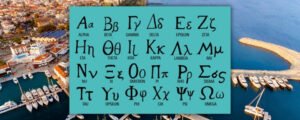
Before you can speak or write, you need to understand the Greek alphabet. It consists of 24 letters and is the foundation of the language.
Here are a few examples:
The Greek alphabet may look unfamiliar, but many letters have sounds similar to English. A helpful resource like Omniglot provides a detailed overview of pronunciation and usage.
Tips: Practice writing each letter daily. Repetition helps build memory faster.
Once you recognize the alphabet, start with simple phrases. These will help you communicate immediately:
Learning these phrases early will give you confidence and help you practice in real-life situations.
Grammar is often the hardest part when you learn Greek, but you don’t need to master everything at once.
Example:
Εγώ τρώω μήλο (I eat an apple)
Understanding these basics will make it easier to build sentences over time.
To learn Greek efficiently, consistency and strategy are key. Here are proven methods:
Even 15–20 minutes a day makes a big difference.
Great for memorizing vocabulary and phrases.
Watch Greek TV shows, listen to podcasts, or listen to music.
Don’t wait until you’re “perfect.” Practice speaking early.
A guided program provides:
You can explore structured lessons here:
https://lingua-learn.com.cy/languages/learn-greek/
Greek is one of the oldest languages still in use today. It has influenced many modern languages, especially in science, philosophy, and medicine.
According to Encyclopaedia Britannica, Greek has been spoken for over 3,000 years, making it a key part of European linguistic history.
Learning Greek means connecting with:
This historical depth makes the language even more fascinating to learn.
Solution: Practice writing daily and use visual charts.
Solution: Listen and repeat native audio.
Solution: Focus on simple sentences first.
Solution: Speak with locals or join online classes.
Remember, every language learner faces these challenges. What matters is consistency.
If you’re serious about learning Greek, self-study alone may not be enough. A structured course helps you stay on track and improve faster.
At Lingua Learn, you get:
Explore more here:
https://lingua-learn.com.cy/
This approach is ideal for beginners who want practical results, not just theory.
Greek can be challenging at first due to its alphabet and grammar, but with consistent practice, beginners can progress quickly.
Basic conversational skills can be achieved in 3–6 months with regular study.
Yes, but combining self-study with a structured course is more effective.
Yes, learning the alphabet is essential for reading, writing, and pronunciation.
Absolutely. Greek is widely spoken and helps with daily life, work, and social integration.
To learn Greek is to open the door to new opportunities, deeper cultural understanding, and meaningful communication in Cyprus. While it may seem complex at first, the right strategy—combined with consistent practice—will help you progress faster than you expect.
If you want to accelerate your learning and gain real confidence, consider joining a structured program with expert guidance.
Start today with Lingua Learn and take your first step toward fluency:
https://lingua-learn.com.cy/virtual-language-training-for-adults/greek-language-online-course/
Your journey to learning Greek begins now—one word at a time.
 En
En  Greek
Greek