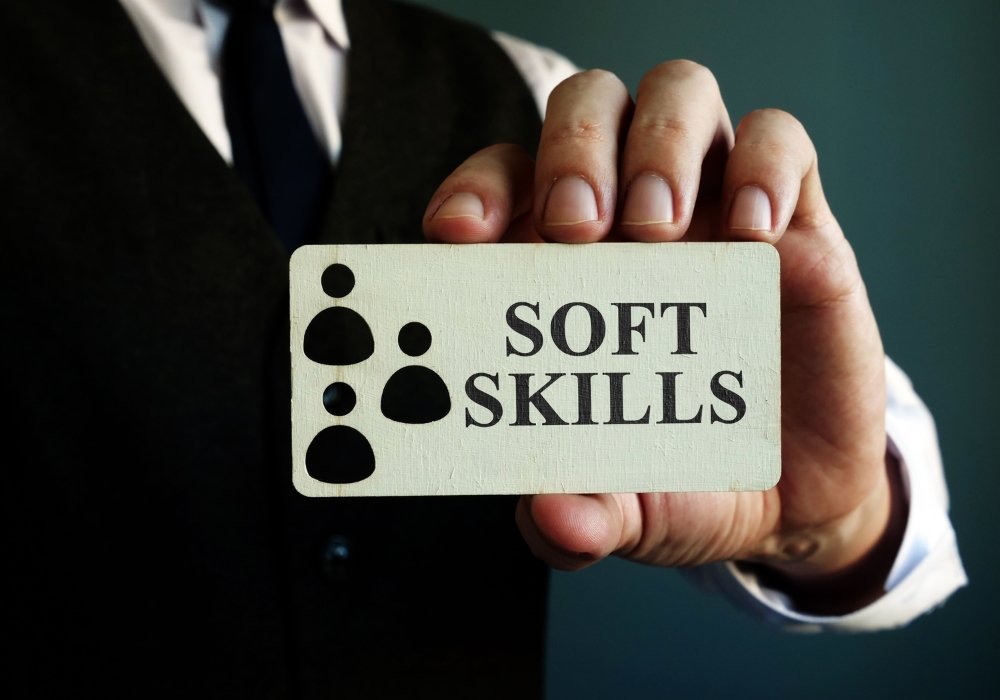
In today’s fast-changing workplace, technical expertise alone is no longer enough. Employers are increasingly looking for professionals who can communicate well, adapt quickly, and collaborate effectively.
These abilities—known as soft skills—play a crucial role in long-term career success.
Whether you’re starting or aiming for a promotion, developing these interpersonal strengths can help you stand out in a competitive job market.
Soft skills refer to personal attributes and interpersonal abilities that shape how you work and interact with others.
Unlike technical skills, they are not specific to one job. Instead, they are useful across all industries and roles.
Here are some key abilities employers value:
These qualities help professionals build relationships and handle workplace challenges effectively.
Work environments in 2026 are more digital and collaborative than ever. While automation handles repetitive tasks, human interaction remains essential.
According to insights from Indeed Career Advice, employers consistently prioritize interpersonal abilities when hiring and promoting employees.
Strong communication helps reduce misunderstandings and improves productivity.
Collaboration becomes easier when individuals listen, empathize, and contribute effectively.
Professionals who can adjust to change are more likely to succeed in evolving industries.
While technical expertise opens doors, interpersonal strengths often determine leadership opportunities.
Understanding the difference helps you build a balanced professional profile.
Both are important—but one supports how effectively you use the other.
Here are the most in-demand abilities in today’s workplace:
Clear speaking and writing are essential for collaboration.
Understanding emotions improves teamwork and leadership.
Employers value individuals who can analyze and solve problems.
Flexibility helps professionals stay relevant in changing environments.
Taking initiative and guiding others is valuable at every level.
You can explore global frameworks on workplace competencies here:
https://www.oecd.org/skills

These abilities are not fixed—you can develop them with consistent effort.
Focus on understanding others before responding.
Constructive input helps identify areas for growth.
Volunteer for tasks that push you outside your comfort zone.
Structured learning can speed up improvement.
Explore this program:
https://lingua-learn.com.cy/personal-soft-skill-course
Think about your daily interactions and how to improve them.
Remote and hybrid work environments require strong interpersonal abilities.
Without face-to-face interaction, professionals must rely on:
Those who excel in these areas often perform better in remote roles.
Organizations are focusing more on employee development than ever before.
Training programs help businesses:
If you’re managing a team, explore professional solutions:
https://lingua-learn.com.cy/corporate-training/
Many professionals struggle to improve because they:
Avoiding these mistakes can accelerate your growth.
Employers want proof—not just claims.
For example:
“Led a team project that improved efficiency by 20%.”
In a technology-driven world, soft skills remain one of the most valuable assets you can develop.
They influence how you communicate, collaborate, and grow professionally.
Focusing on these abilities will not only improve your performance but also open doors to new opportunities.
Take the next step in your career with Lingua Learn.
Whether you’re an individual or a company, their programs are designed to help you succeed in real-world situations.
Ξεκινήστε εδώ:
https://lingua-learn.com.cy/personal-soft-skill-course
For businesses:
https://lingua-learn.com.cy/corporate-training/
Invest in yourself today and build a stronger future.
They are personal abilities that help you interact and work effectively with others.
They improve communication, teamwork, and career growth.
Yes, with practice, feedback, and training.
Communication is often considered the most essential.
Practice daily, seek feedback, and join structured courses.
 Greek
Greek  En
En